The Best 3D Previs Software for Every Media Server (2026 Field Guide)
A ranked rundown of previs options for every major media server, and an honest look at why most of the industry still loses the client with a flat video.

A ranked rundown of previs options for every major media server, and an honest look at why most of the industry still loses the client with a flat video.

MIT's 2025 GenAI Divide study found 95% of enterprise AI pilots fail. Specialized vendor partnerships cut that failure rate by 65 percentage points. The Founding Partner program is Foveate's operationalization of that pattern.

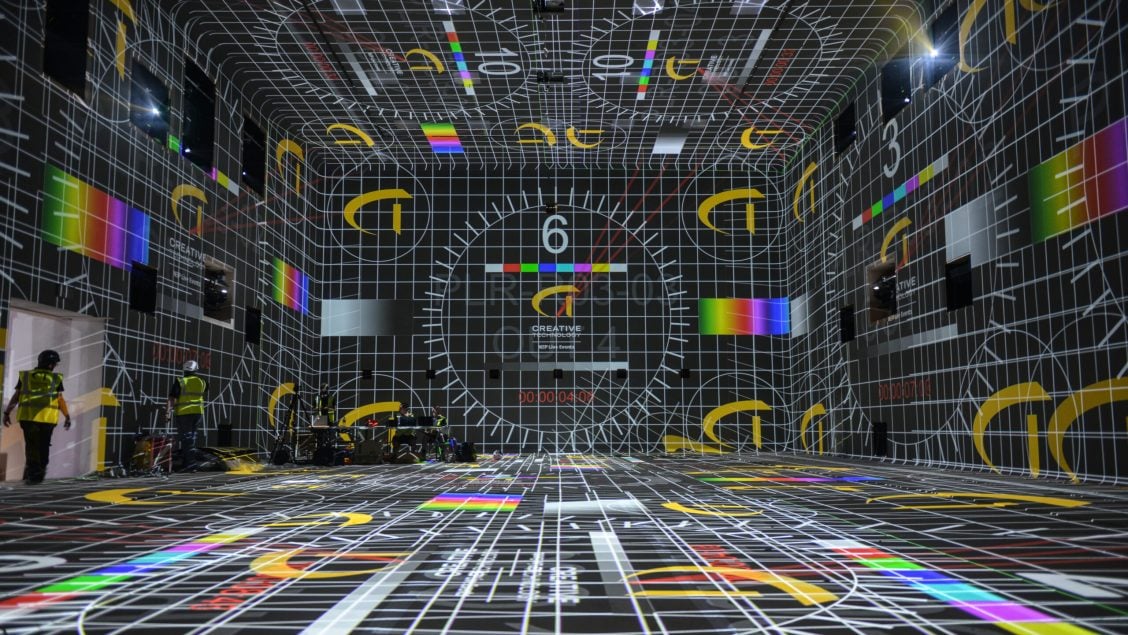
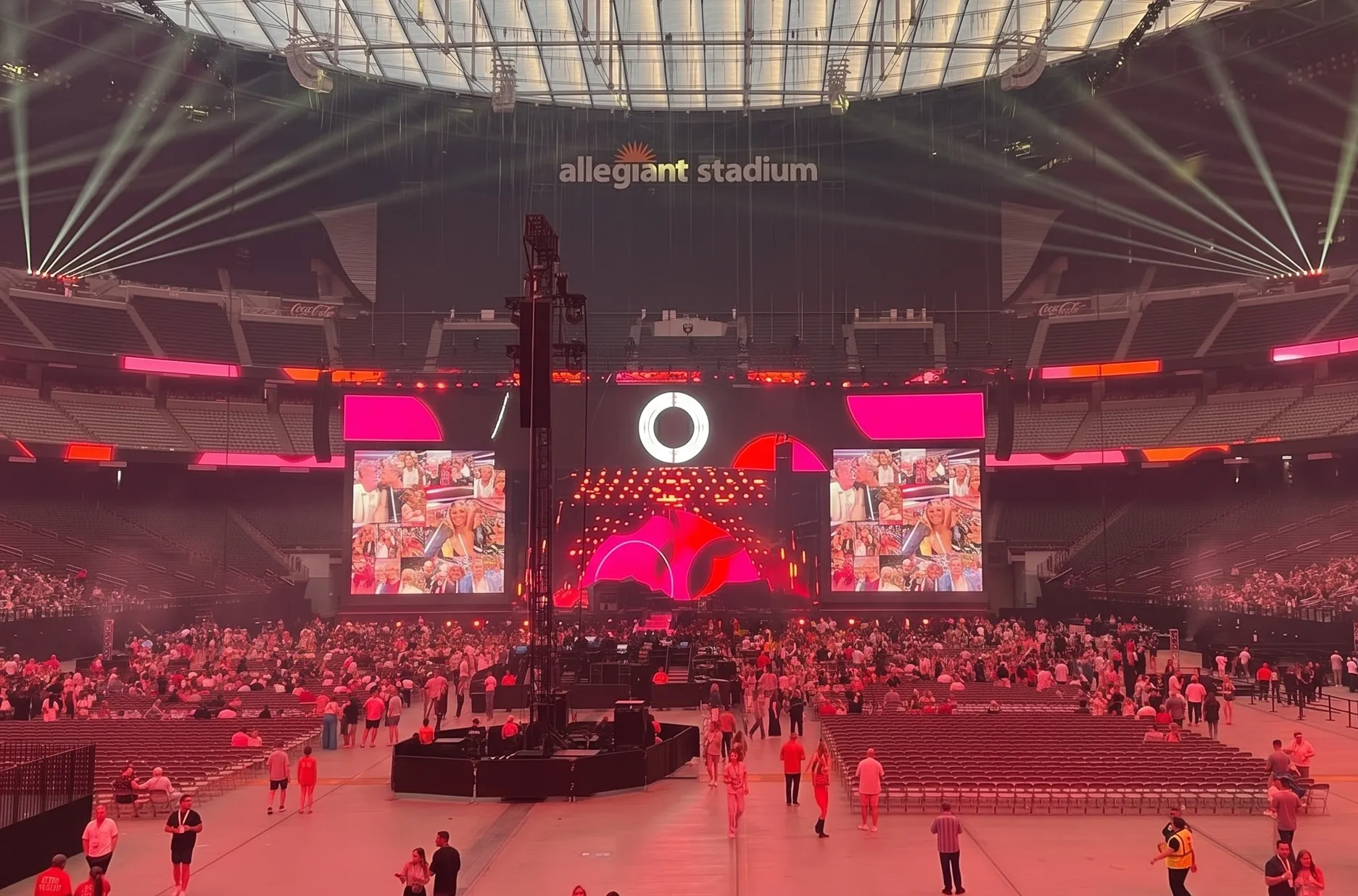
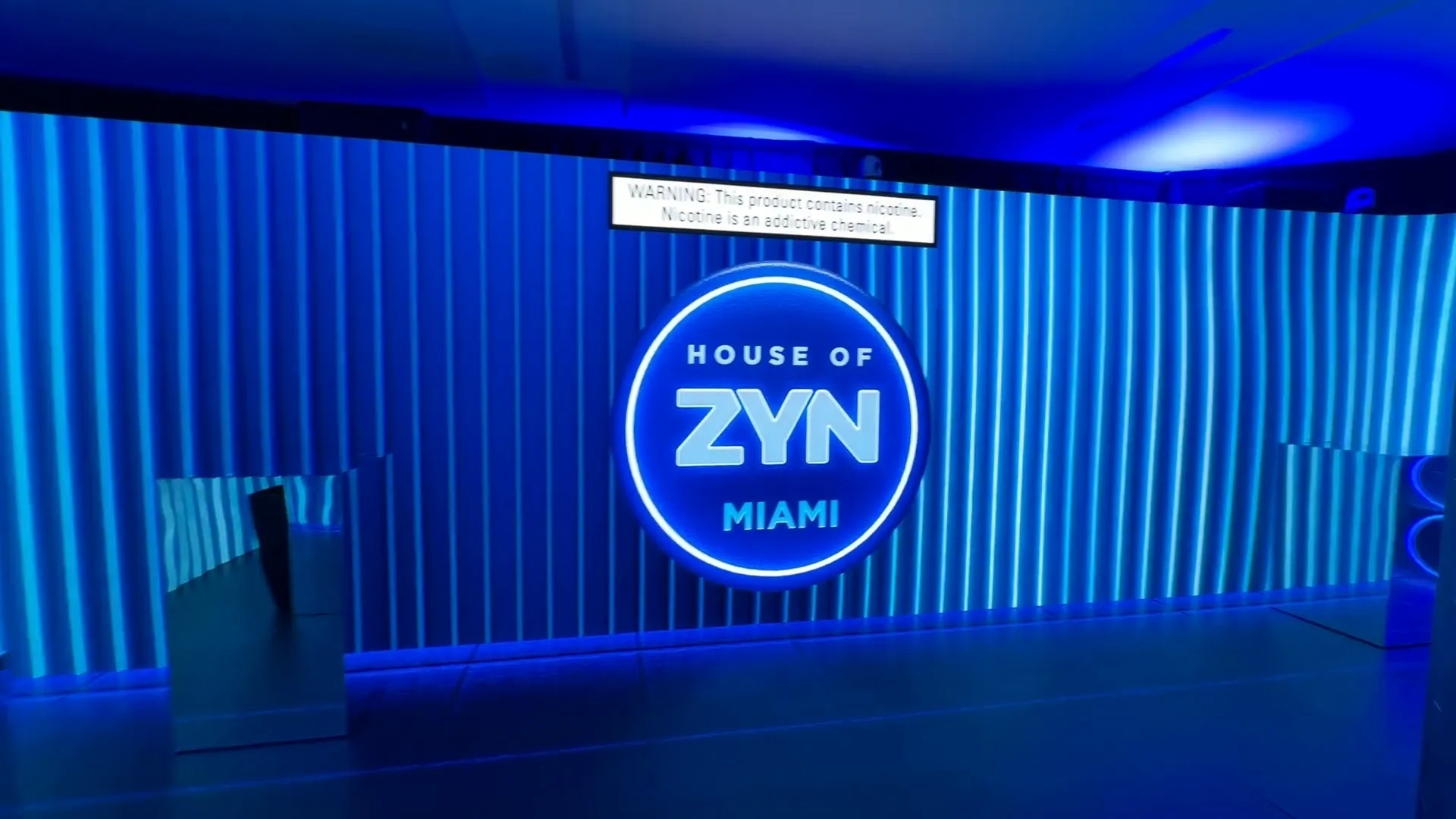
How Toy Robot Media shipped screens content for a 20,000-person corporate event using Foveate 3D Previs to cycle through 125 surface and content combinations without rendering.

Toy Robot Media had two and a half weeks to produce six weeks of 360-degree immersive content for a Zyn brand activation in Miami. They replaced the rendered previs pipeline with Foveate 3D Previs and delivered on time. This is the documented outcome.

Most architecture firms treat business development as something that happens between projects. The firms winning the most competitive work treat it as the project. Here's the complete lifecycle: positioning, prospecting, qualifying, proposing, following up, and growing accounts.

Enterprise teams in tech and finance have used digital sales rooms for over a decade. The technology powers a $1.2 billion market, with platforms like Seismic ($3B valuation) and Highspot ($3.5B valuation) proving the model at scale. Design firms across architecture, interiors, events, and real estate are the last professional services to catch on.

Your win rate is stuck at 39%. Your team burns 40-80 hours per proposal. Committees review your work in 4 minutes. Here's how to flip the math: qualify harder, show smarter, and let your past work open doors automatically.

Every proposal is a chance to gather intelligence about your next client. Most firms treat it as a cost center. Here's how to turn pursuit into a compounding asset.

Your proposal isn't blind anymore. Real-time analytics reveal exactly which committee members engaged, what sections kept them reading, and when it got forwarded to someone you never heard of.

Stop chasing every RFP. A structured go/no-go decision framework helps architecture firms say no to the pursuits that drain resources and kill win rates.

Architecture firms spend millions chasing features on ArchDaily and Instagram followers who'll never hire them. Your actual clients—developers, hospital CFOs, corporate facilities managers—are somewhere else entirely. Here's where to find them.

Most architecture firms never formally analyze why they win or lose projects. Here's how to build a debrief system that turns lost bids into better proposals and wins into patterns you can repeat.

In AEC projects, the person who signs the contract is rarely the only person who decides who gets it. Hidden stakeholders shape outcomes that firms never see coming. Here's a systematic approach to identifying them all.

You had the best team, the most relevant experience, and a clearly stronger approach. You still lost. Here are the five reasons that keeps happening — and none of them are about your design work.

The fee conversation doesn't start when the client asks 'what do you charge?' It starts the moment they open your proposal. Firms that command premium fees aren't better negotiators — they're better at making the value self-evident before the number appears.

In complex AEC projects, the person who issued the RFP is almost never the person who makes the final decision. Stakeholder mapping is how firms identify the full decision-making landscape.

The AEC industry averages a 39% proposal win rate. Firms that treat proposals as deal intelligence — not document production — consistently outperform that number. Here's how they do it.

Most architects default to hourly or percentage-of-construction because that's what they were taught. But these models have a fundamental flaw: they cap your upside while exposing your downside. Here's a complete guide to all six pricing models — including subscription fees and equity deals that the industry has largely ignored.

PowerPoint is the default proposal tool for most architecture firms. It's also a ceiling — on presentation quality, on engagement intelligence, and on the kind of client experience that wins competitive selections.

Architecture proposals have different requirements than sales proposals. Most proposal software ignores those differences. Here's what to look for and how the major platforms compare.

The architecture industry has defaulted to PDF proposals for decades. The firms winning the most competitive work have moved to interactive formats — not because they're flashier, but because they solve a fundamental information density problem.

The post-submission follow-up is where most firms destroy the goodwill their proposal created. 'Just checking in' tells the client exactly one thing: you have no new information to offer.

If your clients don't value design, the problem isn't the clients. It's how you're communicating. Clients want to value design—they just can't see why they should pay more for yours. Here are the 5 shifts that change value perception.
Most architecture RFP responses are technically compliant and strategically invisible. After 20 years and hundreds of RFPs, here's the framework that survives the four-minute review and actually wins.

The difference between firms that win 30% of their proposals and firms that win 50%+ isn't design talent — it's a set of operational habits that most firms have never formalized.

Most architecture case studies prove you've built buildings. That's not what wins projects. Case studies win projects when they're structured as decision narratives, tailored to each pursuit, and deployed with tracking.

Your portfolio is the most expensive business development asset your firm has ever produced. It's also the most passive. Here's how the firms winning the most competitive work have turned their case studies into an active intelligence system.

The AEC industry averages around a 39% proposal win rate. Teams using dedicated proposal software average closer to 45%. But the number itself matters less than understanding what's actually driving the gap.

Clients don't buy design. They buy confidence. Your presentation's job is not to show your work—it's to make clients believe you understand their problem, you can solve it, and working with you will be good.

You sent the proposal three days ago. Silence. Did they open it? Did it land in spam? There's a way to stop guessing — and the intelligence it generates changes everything downstream.

Most architects negotiate against themselves when a client pushes back on fees. Here are 5 strategies from 20 years of fee conversations that protect your margins without losing the relationship.

Architecture burnout stems from three converging forces: low fees creating understaffing, martyrdom culture glorifying suffering, and inefficient processes consuming time. 1 in 5 architecture workers are planning to leave the industry.

InDesign proposals aren't winning projects like they used to. You spend 40 hours designing a beautiful document, export to PDF, email it, then silence. The problem isn't InDesign—the problem is PDF. Here's what actually works.

Most architects find clients through referrals. This works—until it doesn't. Referral-dependent practices have no control over their pipeline. Here are 6 strategies to supplement referrals with intentional client acquisition.

This guide has been expanded and consolidated into our complete RFP response framework.

Architecture fees are low because of three converging factors: abolished fee scales, oversupply, and failure to communicate value. The result is 5-15% profit margins while contractors make 20-30%. But the fee problem is a symptom, not the disease.

After 20 years and hundreds of proposals, here are the 7 strategies that actually win architecture bids. Strategy #4—making your proposal an experience, not a document—changed everything for my practice.

After 20 years of sending proposals, here's the dirty secret: the software you use to create the presentation matters less than how the client experiences it. A complete comparison of tools that actually win architecture projects.

Peter Arbour invented a building technology that could change how cities look and perform. Investors kept passing. Not because the technology wasn't real — because the pitch materials couldn't make them feel it.

No, AI will not replace architects—but it will replace architects who can't communicate their value. AI is commoditizing execution, but the firms that thrive will be the ones who understand what AI can't do.

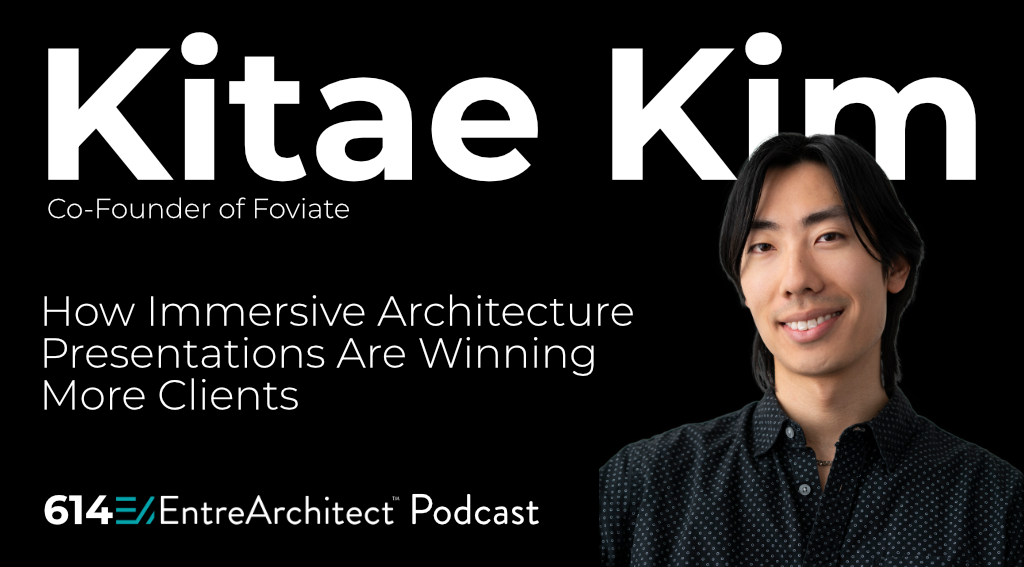
On the EntreArchitect Podcast, Kitae Kim shares why connection—not just concepts—wins projects, and how immersive storytelling with Foveate helps designers communicate value, build trust, and close with confidence.

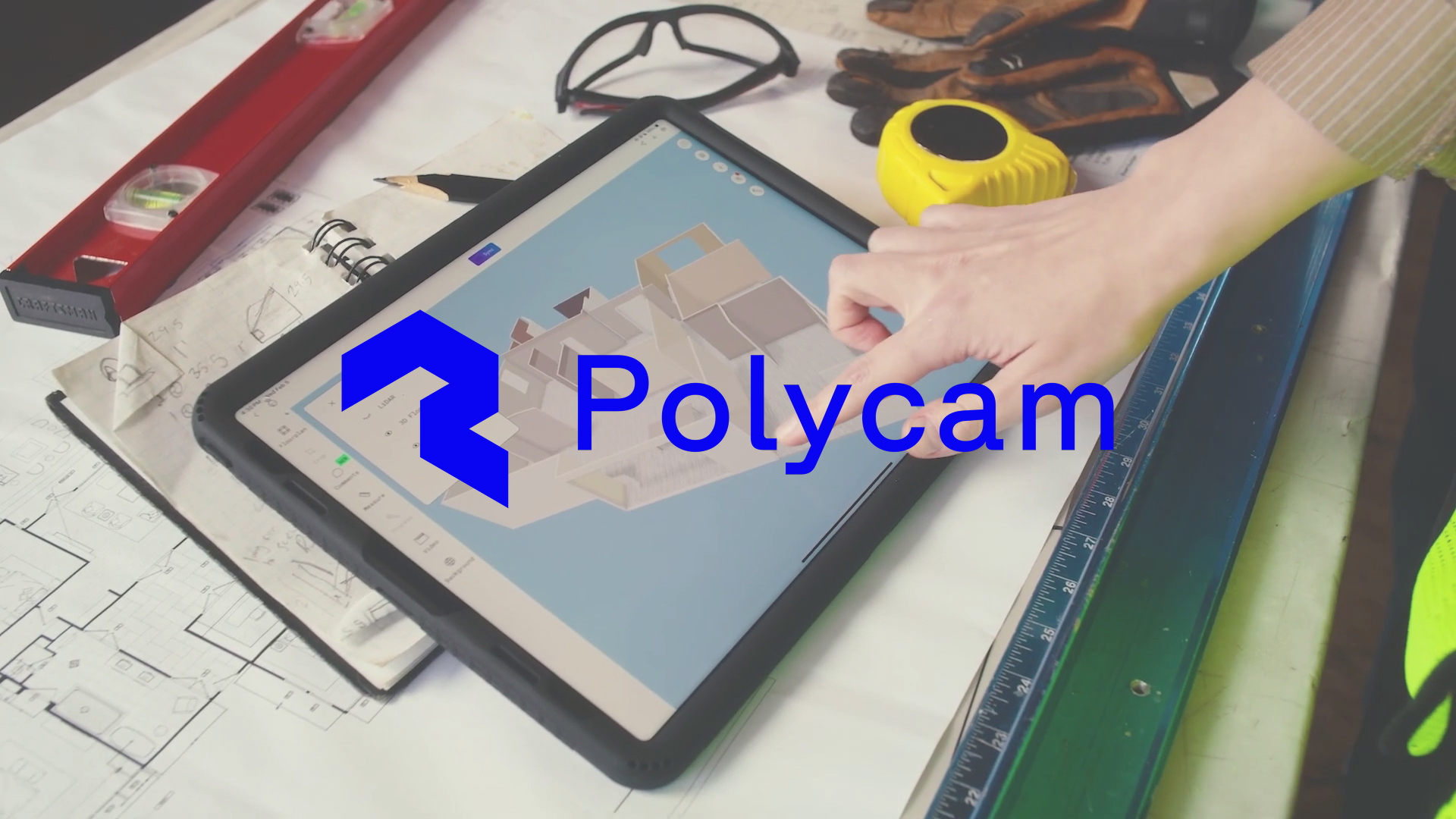
Polycam had democratized 3D scanning. But their users couldn't get scans into the tools they actually use without losing their minds. One user gave up and reverted to 2D DWG imports. That frustration — the space between tools — became the insight that shaped Foveate's platform architecture.

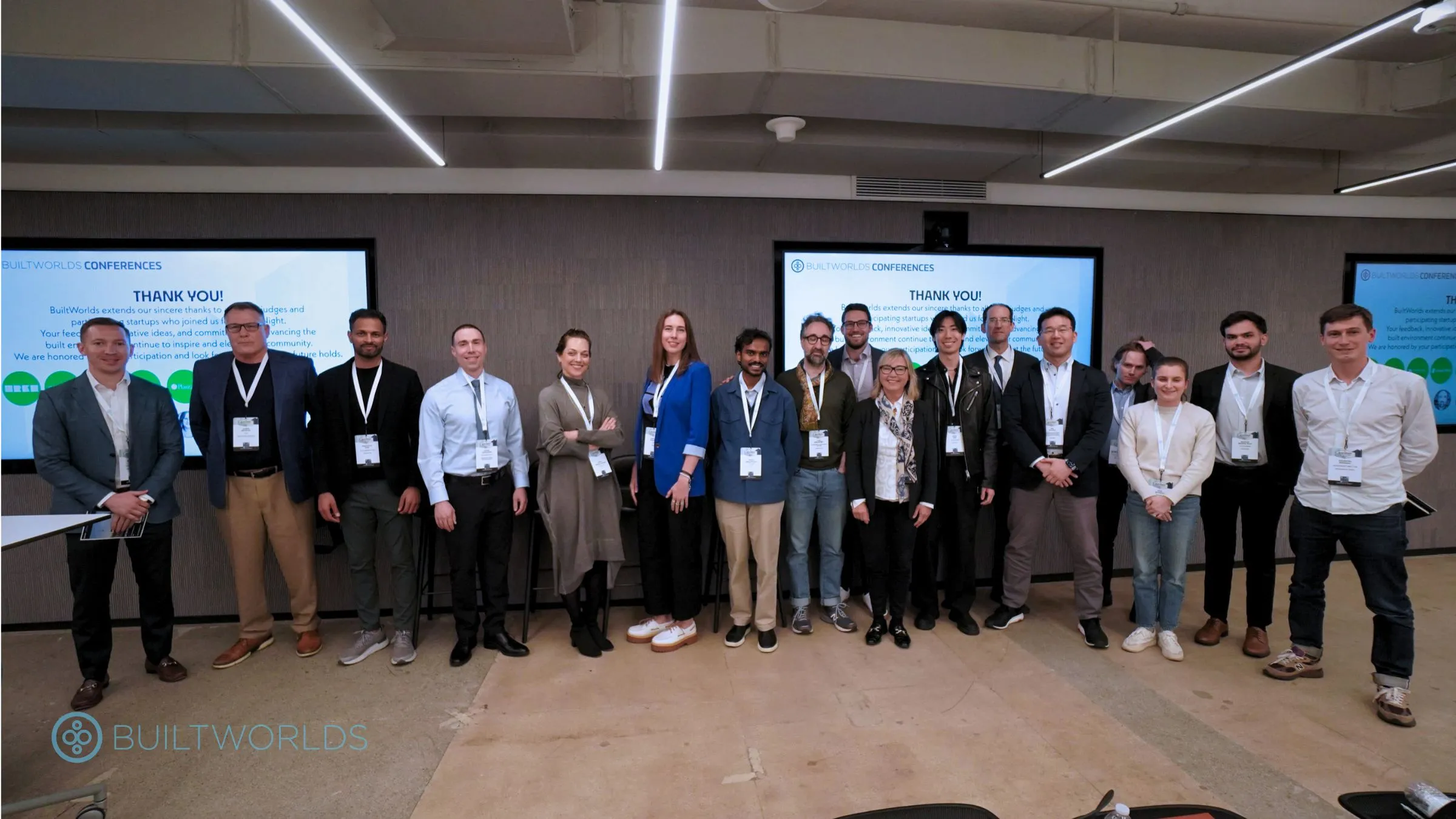
Interactive presentations are revolutionizing how architects communicate their vision. Foveate was asked to showcase just how at BuiltWorlds 2025.

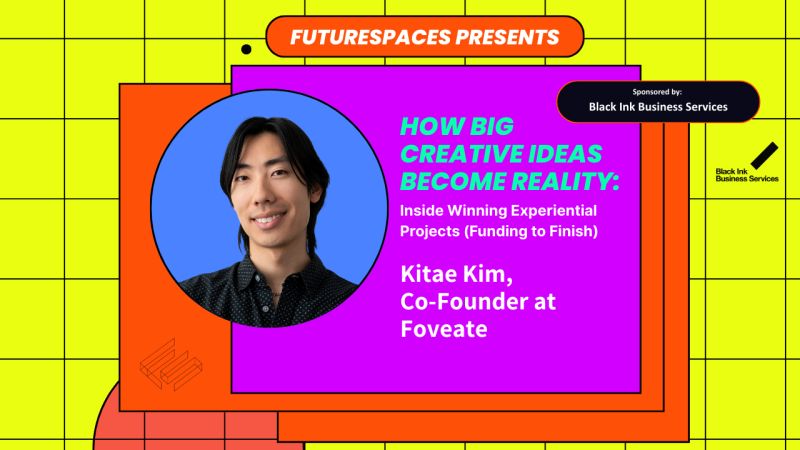
Kitae Kim was invited to Futurespaces to share his insights and experience from his time in the Experiential Architecture space.

The client kept changing direction. The firm was losing money on rework. Everyone assumed the client was the problem. They weren't. Nobody had taken the time to understand what they actually wanted — because the profession doesn't have tools for that.

The key strategies that help architects and designers secure more projects through compelling client experiences and differentiation.

Get the latest insights, case studies, and product updates delivered to your inbox. Join thousands of architects and designers who stay ahead with Foveate.
We'll only send you the good stuff.